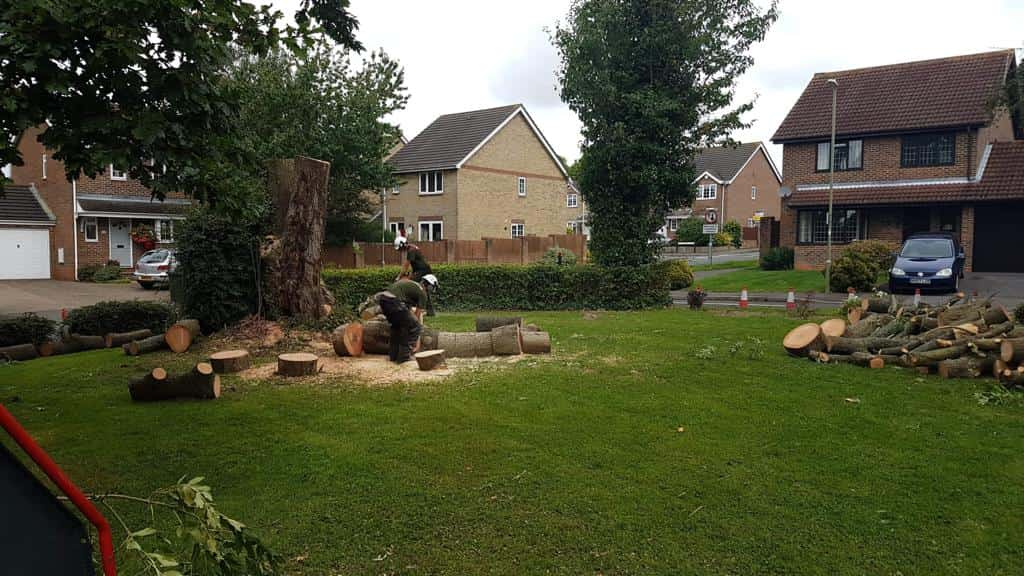
Removing a tree is a complex task that requires careful planning, particularly when it is growing close to buildings, garden structures or overhead obstacles. Branches may extend beneath power lines, over roofs or across access routes, making it difficult to bring the tree down safely in one piece. Without a suitable removal plan, falling timber could cause damage to surrounding property or create unnecessary hazards.
For property owners in Selsey, Hampshire, understanding the importance of overhead clearance is an essential part of arranging professional tree removal. LM Tree Surgery Selsey takes account of the tree’s surroundings when planning tree surgery, helping ensure that each stage of the work is carefully considered.
Identifying Overhead Obstacles Before Tree Removal
Before any cutting begins, the tree and its immediate surroundings need to be assessed. Overhead obstacles can restrict the direction in which branches or sections of the trunk can be lowered, influencing the equipment and techniques required.
Common obstacles include:
- Overhead utility lines: Electricity and telecommunications cables can create serious hazards if branches or equipment come into contact with them.
- Buildings and roofs: Branches extending above houses, garages or sheds may need to be removed in controlled sections.
- Garden structures: Pergolas, greenhouses, sheds and other structures can limit available working space.
- Nearby trees: Intertwined branches and overlapping canopies can make it harder to separate and lower sections safely.
- Access routes: Overhead branches above driveways, paths and entrances may restrict the movement of equipment or timber.
Recognising these obstacles early allows the tree removal method to be planned around the actual conditions on site.
Why Overhead Obstacles Affect Tree Removal Techniques
The presence of overhead obstacles can make conventional felling unsuitable. If a tree cannot be directed towards a clear area, attempting to fell it in one piece could put nearby structures or people at risk.
Controlled Sectional Dismantling
Where space is limited, a tree may need to be dismantled gradually rather than felled from the base. This involves removing branches and sections of the trunk in a planned sequence.
Each section can be assessed and lowered using suitable professional equipment and techniques. This approach helps manage the direction of falling material and reduces the risk of it striking nearby obstacles.
Managing Branches Near Utility Lines
Branches growing close to overhead cables require particular care. Contact with electricity lines can cause serious injury, and even seemingly minor interference can create dangerous situations.
Tree surgeons must identify the type and position of any overhead services before work begins. Where electrical lines are involved, the appropriate utility provider may need to be contacted to establish safe arrangements. Tree surgery should not proceed on the assumption that a cable is harmless or safe to work around.
Protecting Roofs and Garden Structures
A tree with branches extending above a roof, conservatory or garden structure needs a carefully considered removal sequence. Large branches cannot always be allowed to fall freely, as their weight and movement may damage the surfaces below.
Controlled dismantling allows suitable sections to be removed individually. The working method can be adapted to the available space and the position of vulnerable structures.
Considering Equipment and Working Space
Overhead obstacles can also affect the equipment that can be used during tree removal. Restricted access, low branches and nearby structures may limit the positioning of machinery or lifting equipment.
A professional assessment helps determine which methods are practical for the site. This is particularly important where several obstacles are present and there is little room to manoeuvre.
The Importance of a Planned Removal Sequence
Tree removal should follow a logical sequence based on the tree’s structure and surrounding conditions. The position of heavy limbs, the direction of growth and the location of overhead obstacles all influence which sections should be removed first.
A planned sequence helps avoid situations where removing one branch places additional strain on another or leaves an unstable section unsupported. It also allows the tree surgeon to consider where each piece of timber will be lowered or moved.
Weather conditions, particularly strong winds, may also affect the suitability of carrying out the work. If conditions make controlled cutting or lowering unsafe, the work may need to be postponed.
Why Professional Tree Removal Matters
Removing a tree near overhead obstacles requires more than suitable cutting equipment. It involves understanding tree structure, assessing potential hazards and selecting techniques that allow each section to be handled in a controlled manner.
LM Tree Surgery Selsey can assess trees that need removal in confined or obstructed spaces and recommend an appropriate approach. By considering overhead cables, nearby buildings, garden structures and access restrictions, the team can plan the work around the specific conditions of the property.
Professional planning also helps determine whether sectional dismantling is necessary and what arrangements should be made before work starts.
Conclusion
Overhead obstacles can significantly influence how a tree needs to be removed. Utility lines, roofs, garden structures and neighbouring trees may prevent conventional felling and make controlled sectional dismantling the more suitable option. Identifying these challenges before work begins is essential for managing risks and protecting the surrounding property.
For property owners in Selsey, Hampshire, LM Tree Surgery Selsey can provide professional tree removal assessments and recommend suitable methods for trees growing near overhead obstacles. If a tree on your property needs removing in a restricted space, contact the team to arrange an assessment and discuss the next steps.
Call us on: 01243 217 387
Click here to find out more about LM Tree Surgery Selsey
Click here to complete our contact form and see how we can help with your tree needs.