Trees play an important role in creating attractive, healthy gardens, providing shade, supporting wildlife and adding character to outdoor spaces. However, as trees grow, they may need professional attention to maintain their condition, manage excessive growth or address damaged branches. Understanding the difference between tree cutting and pruning can help homeowners choose the right service for their needs.
Although the terms are sometimes used interchangeably, tree cutting and pruning can involve different objectives and levels of work. For property owners in Selsey, West Sussex, knowing when each service is appropriate can help maintain trees responsibly and keep gardens well managed.
LM Tree Surgery Selsey provides professional tree surgery services to help homeowners manage their trees and address concerns about their growth, health and condition.
What Is Tree Cutting?
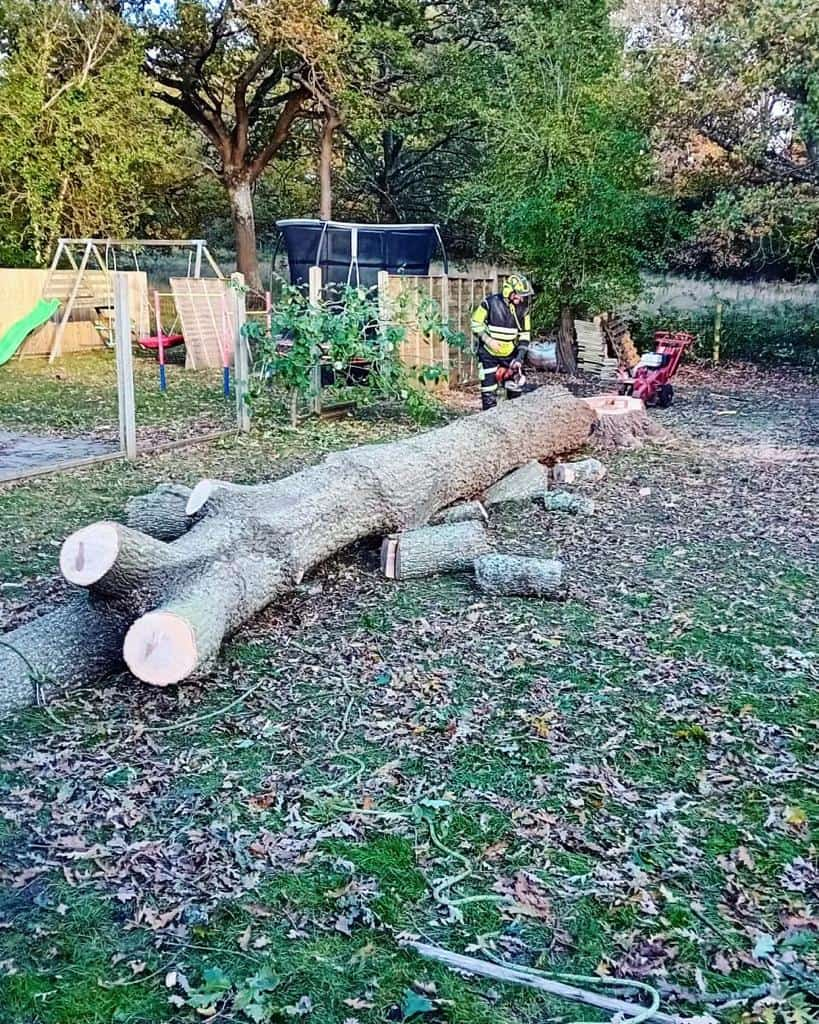
Tree cutting is a broad term that can describe removing branches, reducing sections of a tree or cutting down an entire tree. The precise work depends on the tree’s condition, location and the reason for the service.
When Is Tree Cutting Necessary?
Tree cutting may be appropriate when a tree has extensive damage, has become unsuitable for its location or needs substantial work to address a particular concern. In some situations, an entire tree may need to be felled if it is dead, severely deteriorated or cannot be managed effectively through pruning.
Cutting may also involve removing large branches that are damaged, structurally compromised or interfering with nearby structures. However, removing substantial sections of a tree requires careful planning because excessive cutting can affect its stability, appearance and future growth.
A professional assessment helps establish the extent of work required and whether a less extensive approach would achieve the desired result.
What Does Tree Felling Involve?
Tree felling refers specifically to cutting down a tree completely. This is different from routine maintenance because the whole tree is removed rather than selected branches.
Felling may be considered when a tree is dead, seriously damaged or causing problems that cannot be resolved through appropriate maintenance. The process requires careful consideration of the tree’s size, condition, surrounding structures and available working space.
Not every large or untidy tree needs to be removed. Where possible, maintaining a healthy tree through suitable pruning can be a more appropriate option.
What Is Tree Pruning?
Tree pruning involves selectively removing branches to improve a tree’s structure, maintain its health or manage its size and shape. Rather than cutting down the tree, pruning focuses on removing specific growth while retaining the main structure.
The objective is to address particular needs without removing more material than necessary.
Removing Dead or Damaged Branches
Dead, broken or diseased branches can affect a tree’s appearance and may create a risk of falling, particularly during adverse weather. Pruning can remove affected growth and help prevent damaged branches from remaining in the canopy.
However, not every dead branch needs the same treatment. The location, size and condition of the branch should be considered before work begins.
Managing Growth Near Buildings
Branches that grow towards roofs, walls, windows or other structures may require careful pruning to maintain suitable clearance. Selective cutting can manage this growth while preserving the tree’s natural shape.
Regular assessment is particularly useful when branches are growing into confined spaces or repeatedly coming into contact with buildings. A professional tree surgeon can determine which branches should be removed and how much growth can be reduced without unnecessarily stressing the tree.
Improving the Tree’s Structure
Some trees develop crossing branches, crowded growth or uneven canopies. Appropriate pruning can remove selected branches to improve the overall structure and allow better light penetration through the crown.
The correct technique depends on the tree species, age and condition. Poor pruning can leave large wounds, encourage weak regrowth or permanently affect the tree’s shape, so work should be carried out with the tree’s long-term development in mind.
The Main Differences Between Tree Cutting and Pruning
The key difference lies in the purpose and extent of the work.
- Tree cutting is a general term that may refer to removing branches, reducing a tree or cutting it down completely.
- Tree pruning is a more selective process focused on removing particular branches to manage growth, improve structure or address specific defects.
- Tree felling means removing the entire tree, rather than maintaining it through selective branch removal.
Pruning is often suitable when a tree can remain in place and only certain areas require attention. More extensive cutting may be necessary when the problem cannot be resolved through selective maintenance.
Choosing the right service starts with understanding what you want to achieve and assessing the tree’s actual condition.
Which Service Is Right for Your Tree?
The most suitable approach depends on why the tree needs attention. If the concern involves a few dead branches, excessive growth or branches extending towards a building, pruning may be sufficient.
If a tree has extensive structural damage, significant deterioration or problems that cannot be addressed through selective work, more substantial cutting may need to be considered.
Homeowners should avoid making decisions based solely on a tree’s size or appearance. A tree that looks overgrown may still be healthy, while a tree with relatively little visible damage may have a more serious underlying issue.
A professional inspection can help identify the cause of the problem and establish whether pruning, branch removal, crown reduction or felling is appropriate.
Why Professional Tree Surgery Matters
Tree work requires an understanding of how different species respond to cutting, how branches are supported and how to carry out work safely. Incorrect techniques can damage the tree, encourage unsuitable regrowth or create additional maintenance problems.
Professional tree surgeons can assess the tree before recommending a suitable method. They can also identify branches that need attention and avoid unnecessary removal of healthy growth.
For homeowners in Selsey, West Sussex, professional advice can help ensure that tree maintenance is suited to the individual tree and the surrounding garden.
LM Tree Surgery Selsey can help you determine the appropriate service for trees that need maintenance, structural attention or more extensive work.
Conclusion
Tree cutting and pruning serve different purposes, even though both involve removing tree growth. Pruning focuses on selective branch removal to manage health, structure and shape, while tree cutting can refer to a broader range of work, including substantial branch removal or complete tree felling.
Understanding the difference helps homeowners make informed decisions and avoid unnecessary work. If a tree on your property needs attention, contact LM Tree Surgery Selsey to discuss your requirements in Selsey, West Sussex. A professional assessment can help identify the most suitable approach for maintaining your trees and managing their growth.
Call us on: 01243 217 387
Click here to find out more about LM Tree Surgery Selsey
Click here to complete our contact form and see how we can help with your tree needs.